
What Is a Healthy Blood Pressure?
Blood pressure (BP) is a vital sign that measures the force your blood exerts against your blood vessels as it circulates throughout your body. You may not think about your blood pressure often, but understanding healthy blood pressure helps to maintain optimal cardiovascular health and prevent serious health problems. This often involves routine checkups and may include blood work to determine if there are other contributing factors.
In this blog post, our CardioCare team will discuss the intricacies of blood pressure, explore what constitutes a healthy range, and provide expert tips for managing problematic readings.
Understanding Blood Pressure Readings
When you check your blood pressure, you’ll see two numbers measured in millimeters of mercury (mm Hg). These readings are taken using a blood pressure monitor with a blood pressure cuff that wraps around your upper arm.
- The top number in a BP measurement is called systolic blood pressure. It represents the pressure your blood exerts on your arteries when the heart is pumping.
- The bottom number is called your diastolic blood pressure and represents the pressure that your blood exerts on your arteries when the heart is relaxed and filling with blood before beating again.
People often ask whether systolic blood pressure or diastolic blood pressure is more important. The truth is, both are important. Studies have shown that there is an increased risk of stroke and heart attack in people aged 40-89 who have an increase in systolic pressure 20 points above normal and diastolic pressure 10 points above normal.
What Is a Healthy Blood Pressure Level?
Here’s a breakdown of blood pressure categories according to the American Heart Association (AHA) and what the numbers mean:
Adult Blood Pressure Categories (in mm Hg)
| Category | Systolic | Diastolic |
|---|---|---|
| Normal | Less than 120 | Less than 80 |
| Elevated | 120-129 | Less than 80 |
| High Blood Pressure (Hypertension) Stage 1 | 130-139 | 80-89 |
| High Blood Pressure (Hypertension) Stage 2 | 140 or higher | 90 or higher |
| Hypertensive Crisis – Consult Your Doctor Immediately | Higher than 180 | Higher than 120 |
Symptoms of High Blood Pressure
High blood pressure, or hypertension, is called a ‘silent killer’ for a reason. Often, people don’t know that their blood pressure is elevated, and the only way to know is to check your blood pressure regularly. Sometimes, however, there are symptoms of uncontrolled hypertension such as chest pain or pressure, a forceful pulse, dizziness, headache, and blurry vision.
Many factors can contribute to hypertension, including:
- Genetics
- Age
- Diet
- Physical activity level
- Stress
- Kidney disease
- Lifestyle choices
It's High Time to Prioritize Your Heart Health!
Schedule a check-up with your doctor at CardioCare and get the answers you need.
Symptoms of Low Blood Pressure
Low blood pressure, or hypotension, can sometimes cause noticeable symptoms, although some people experience no issues at all. When symptoms do occur, they can include dizziness or lightheadedness, especially when standing up from a sitting or lying position, fainting, fatigue, nausea, blurred vision, cold, clammy skin, rapid, shallow breathing, and difficulty concentrating.
Keep in mind that these symptoms can also indicate other conditions, so it’s essential to consult with a healthcare professional to get a proper diagnosis.
Several factors can contribute to hypotension, including:
- Dehydration
- Certain medical conditions (e.g., heart problems, endocrine disorders, nervous system disorders)
- Medications
- Nutritional deficiencies
- Pregnancy
- Prolonged bed rest
- Severe blood loss
How to Maintain Healthy Blood Pressure Levels
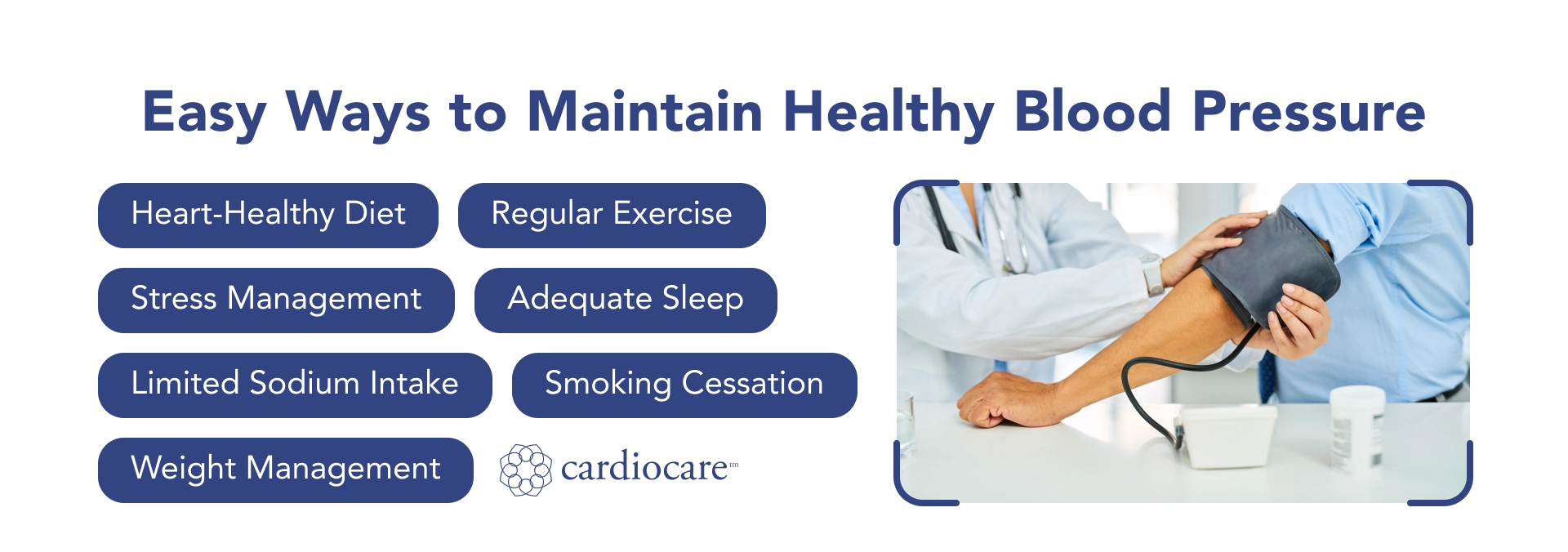
Maintaining ideal blood pressure is within reach. Here are several lifestyle changes that can improve your heart health:
- Heart-healthy diet: Focus on a diet rich in fruits, vegetables, whole grains, and lean protein. Limit saturated and unhealthy fats, cholesterol, salt and added sugars.
- Regular exercise: Aim for at least 150 minutes of moderate-intensity cardiovascular activity or 75 minutes of vigorous-intensity activity per week. Regular exercise strengthens your heart and improves circulation.
- Stress management: Practice stress-reducing techniques such as deep breathing, meditation, yoga, or spending time in nature. Chronic stress can contribute to high blood pressure.
- Adequate sleep: Prioritize getting 7-9 hours of quality sleep each night. Sleep allows your body to rest and repair itself, which is essential for blood pressure regulation.
- Limited sodium intake: Reduce your sodium consumption, as excessive sodium can raise blood pressure. Be mindful of processed foods, which are often high in sodium.
- Weight management: Maintaining a healthy weight or losing excess weight can significantly impact blood pressure. Even small amounts of weight loss can make a difference.
- Smoking cessation: Quitting smoking is one of the best things you can do for your overall health, including your blood pressure. Nicotine constricts blood vessels and increases heart rate.
If these lifestyle modifications are not enough to protect you from the deleterious effects of high blood pressure, you may also need to start blood pressure medications to control your readings. You should discuss this with your doctor.
Why Monitoring Your Blood Pressure Matters
Regular blood pressure monitoring is essential to managing your cardiovascular health. To keep tabs on your blood pressure, you can:
- Get your blood pressure checked at regular medical appointments.
- Use a blood pressure monitor at home.
- Ensure the cuff is placed on bare skin around your upper arm.
- Keep a blood pressure chart to track readings over time.
At CardioCare, we understand the importance of maintaining healthy blood pressure levels. Our team of experienced healthcare professionals specializes in comprehensive cardiovascular care and is here to provide you with answers and guidance toward a healthier life.
Your Partner in Cardiovascular Health
Maintaining healthy blood pressure is vital for overall well-being and plays a significant role in preventing serious health issues. Don’t let high blood pressure silently affect your health! Contact CardioCare today to schedule your cardiovascular health assessment. Since 2007, our expert team has been working alongside patients like you to help achieve and maintain optimal blood pressure levels for a healthier future.
FAQ
Is it normal for one arm to have a different reading than the other?
Small differences (10 mm Hg or less) between arms are normal. However, if you consistently notice larger differences, inform your healthcare provider, as this could indicate underlying cardiovascular issues that need evaluation.
If my blood pressure is high, how long does it take to bring it down with lifestyle changes?
The good news is that most people see improvements in their blood pressure within 2-3 weeks of making significant lifestyle changes like reducing sodium intake, increasing exercise, and managing stress. However, remember that individual results vary, and some may need a combination of lifestyle changes and medication for optimal control. Don’t get discouraged in this journey, any positive change will be helpful.
Can dehydration affect my blood pressure?
Yes, dehydration can cause your blood pressure to drop, while severe dehydration can lead to dangerously low blood pressure. Staying well-hydrated helps maintain proper blood volume and supports healthy blood pressure levels.

LOCATIONS
Contact us for more information.