


Blood Work
Our team frequently orders blood work to help diagnose and manage an array of cardiovascular diseases.
What Is a Blood Test?
A blood test, also known as lab work, involves drawing a sample of your blood for analysis. This simple and commonly used procedure provides a wealth of information about your overall health. It enables doctors to identify various medical conditions, assess organ function, monitor treatment progress, and screen for potential problems before they become serious.
How Does the Blood Work Procedure Work?
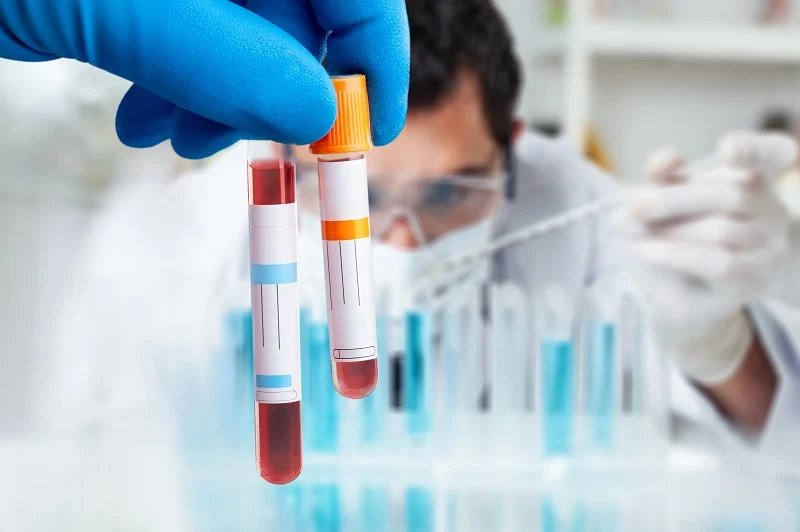
Blood work testing is straightforward and minimally invasive: a trained professional will clean a designated site on your arm with an antiseptic solution and insert a needle into your vein. A small amount of blood is collected into a vial or tube. The sample is then sent to a certified lab for analysis. The highly skilled team at our lab uses sophisticated technologies and methods to provide the most accurate results.

Types of Blood Tests
We provide a wide array of blood tests to address your individual needs. Some of the most common blood tests include:
Complete Blood Count (CBC)
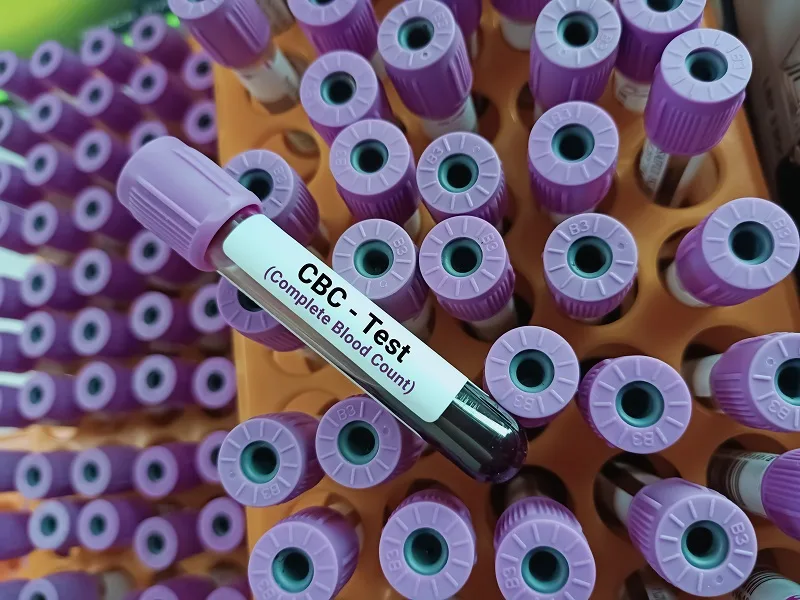
Measures the different types of blood cells (red blood cells, white blood cells, platelets) in your bloodstream, providing insight into your overall blood health and helping detect infections, anemia, or other blood disorders.
Basic Metabolic Panel (BMP)
Measures blood glucose, key electrolytes (sodium, potassium, chloride, carbon dioxide), calcium, and kidney function indicators. This panel provides valuable information about kidney and liver health, electrolyte balance, and blood glucose control.
Lipid Panel, Lp(a), ApoB
Measures cholesterol and other fats in the blood, helping to assess your risk of developing heart disease. A lipid panel helps determine levels of LDL (“bad”) cholesterol, HDL (“good”) cholesterol, and triglycerides, providing valuable information for managing your cardiovascular health.
Liver Function Tests (LFTs)
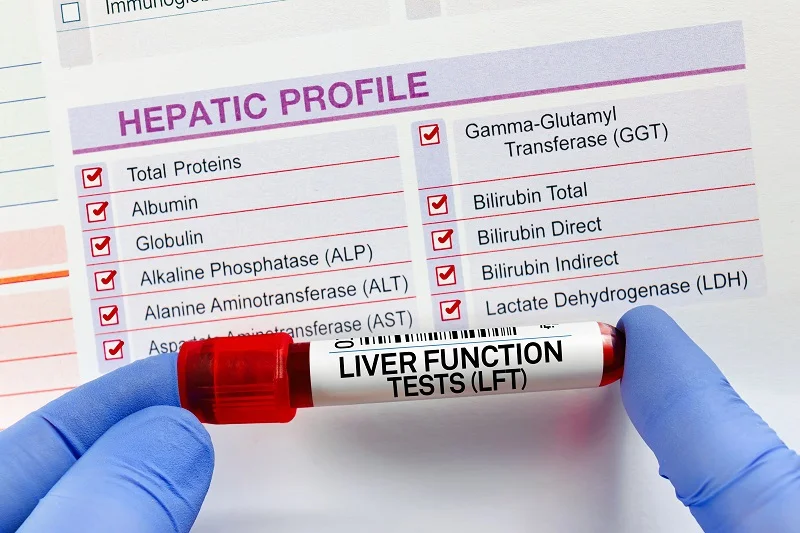
Assess the health of your liver, helping to detect and monitor liver disease. LFTs measure the levels of enzymes and proteins your liver produces to help identify potential liver damage or dysfunction.
Kidney Function Tests
Assess the health of your kidneys to help detect and monitor kidney disease. Kidney function tests measure creatinine and other substances in your blood to evaluate how well your kidneys are filtering waste from your blood.
Thyroid Panel
Measures thyroid hormones, which are essential for various bodily functions. An imbalance in thyroid hormones can profoundly impact your health, affecting metabolism, energy levels, and overall well-being.
Why Blood Work Matters
This simple test is incredibly effective in providing essential health information. Regular blood tests are critical for:
- Early detection: Many medical conditions can be detected early through blood tests, long before symptoms develop.
- Disease monitoring: Blood tests are essential in tracking the progression of a condition and evaluating the effectiveness of ongoing treatment.
- Risk assessment: Blood tests, particularly a lipid panel, help assess the risk of developing future health problems.
- Personalized medicine: Blood tests provide essential information for creating a tailored treatment plan to address your unique health needs.

How to Prepare for a Blood Test
Ensuring accurate results from your blood test involves a few key steps. Here’s how you can prepare:
- Fasting: Some blood tests require you to fast (not eat or drink anything except water or black coffee) for several hours before your appointment. Your doctor will provide specific instructions.
- Hydration: It’s important to remain well-hydrated before and after your blood work, but avoid excessive fluids before your appointment.
- Medications: Inform your doctor of any medications, supplements, or herbal remedies you’re taking. This will ensure the safety and accuracy of your blood tests.
- Medical history: Keep a record of your medical history to share with your doctor. This helps determine which tests are most appropriate for you.
- Symptoms: Note any symptoms you have experienced. It may aid in diagnosis.

FAQ
How long does it take to get blood test results?
You will typically get your results within a few business days. However, this can vary based on the complexity of the testing required. Rest assured, you will get your results as quickly as possible.
How much does blood work cost?
Costs vary depending on which tests are done and your insurance coverage. Please contact us at (301) 656-5050 to discuss this. We’re happy to help.
What if my blood test results are abnormal?
If your results show abnormalities, your cardiologist will discuss your findings and recommend a treatment plan based on your needs.
Can I access my lab results online?
We know you’re eager to see your results. Online access depends on the specifics of your healthcare provider and your insurance. Your doctor will let you know if this service is available.
Can I do blood tests at home?
While you can purchase home testing kits for certain things, such as blood glucose, most blood tests require a visit to a lab.