
Peripheral Artery Disease vs. Peripheral Vascular Disease: A Common Medical Mix-Up
Medical terminology can be confusing, especially when two conditions sound remarkably similar yet have distinct characteristics. These terms can sometimes be used interchangeably in clinical settings, but they represent different aspects of vascular health that need specific attention and treatment approaches.
In this blog post, our cardiac diagnostic experts at CardioCare will explain the difference between these terms to help you navigate your path forward.
What Is Peripheral Vascular Disease (PVD)?
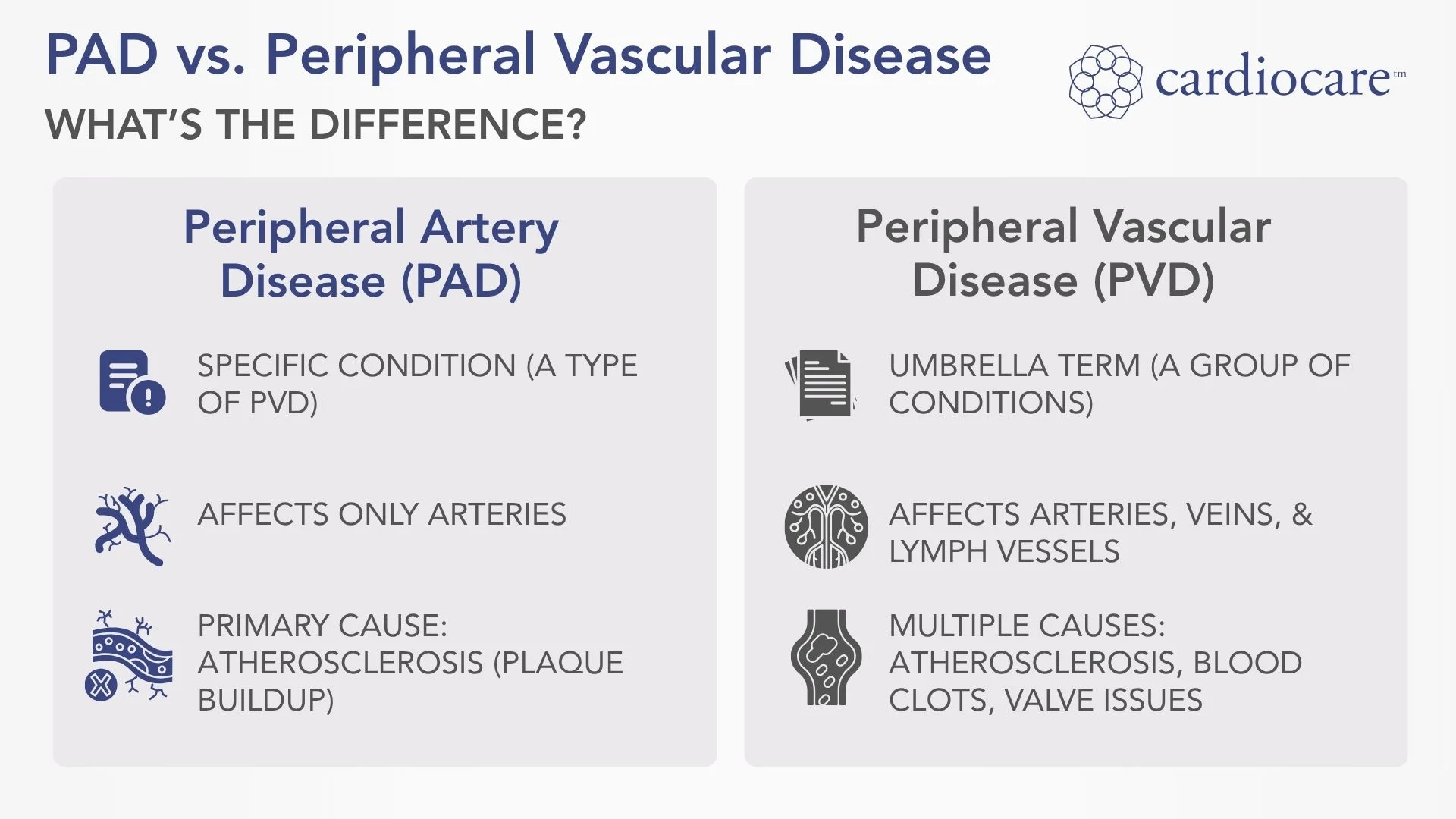
Peripheral vascular disease is an umbrella term that encompasses all conditions affecting blood vessels outside the heart and brain. This broad category includes problems with arteries, veins, and lymphatic vessels throughout the body. Peripheral vascular disease (PVD) refers to a comprehensive group of circulatory disorders that can impact blood flow in various ways.
The peripheral vascular system includes all blood vessels beyond the central circulation. This means any condition that affects these vessels — whether it involves narrowed arteries, damaged veins, or compromised lymphatic drainage — falls under the PVD classification.
Common Types of PVD
Several conditions fall under the peripheral vascular disease umbrella, including:
- Chronic venous insufficiency is one significant type of PVD, where damaged valves in leg veins allow blood to flow backward, creating pooling and increased pressure. This condition often manifests as varicose veins, spider veins, and leg swelling that worsens throughout the day.
- Deep vein thrombosis (DVT) occurs when blood clots form in deep veins, typically in the legs. This is a serious condition that can lead to pulmonary embolism if clots break free and travel to the lungs.
- Venous disease encompasses various problems with veins and lymphatic vessels, including valve dysfunction and structural abnormalities that impair normal blood return to the heart.
What Is Peripheral Artery Disease (PAD)?
Peripheral artery disease (PAD) is a specific type of PVD that exclusively affects arteries — the blood vessels responsible for carrying oxygen-rich blood away from the heart to peripheral tissues. When people develop plaque, plaque builds up within arterial walls through a process called atherosclerosis. As a result, these vital blood vessels narrow or become completely blocked.
PAD typically affects the lower extremities, though it can impact any artery outside the heart and brain. The reduced blood flow creates a cascade of symptoms and complications that can significantly impact quality of life.
How PAD Develops
Artery disease develops predictably. Risk factors such as high blood pressure, high cholesterol, diabetes, and smoking contribute to arterial wall damage. Over time, plaque — composed of cholesterol, calcium, and other substances — accumulates at injury sites. As plaque builds within vessel walls, the arterial opening narrows and restricts blood flow to downstream tissues.
Early Warning Signs

The sooner you recognize warning signs, the better. The hallmark symptom involves leg pain or cramping during physical activity that resolves with rest. This intermittent claudication occurs because narrowed arteries cannot supply adequate blood flow to meet increased muscular demands during exercise.
Here are some other early symptoms:
- Coldness in the lower legs or feet compared to other body parts
- Leg numbness or weakness
- Slow-growing toenails or hair loss on the legs
- Skin color changes, particularly pallor or bluish discoloration
Advanced Symptoms
As PAD progresses, symptoms become more severe and can occur even at rest.
As a result, advanced cases can develop:
- Pain in the feet and legs during rest, especially when lying down
- Non-healing wounds or ulcers on legs or feet
- Severe coldness in affected limbs
- Gangrene in extreme cases
Key Differences Between PAD and PVD
At CardioCare, we often encounter patients confused about whether they have peripheral artery disease or peripheral vascular disease. We understand this confusion, as these conditions share similar names and some overlapping symptoms. Let’s examine how these conditions compare across key characteristics.
| Aspect | Peripheral Artery Disease (PAD) | Peripheral Vascular Disease (PVD) |
|---|---|---|
| Vessel Type | Affects only the arteries | Affects arteries, veins, and lymphatic vessels |
| Primary Cause | Atherosclerosis (plaque buildup) | Multiple causes: atherosclerosis, valve dysfunction, blood clots |
| Most Common Symptom | Intermittent claudication (leg pain with activity) | Varies by type: leg swelling, varicose veins, or claudication |
| Pain Pattern | Occurs during activity, resolves with rest | May worsen with standing (venous) or activity (arterial) |
| Skin Changes | Pale, cool, poor hair growth | Dark, thick skin (venous) or pale, cool (arterial) |
| Risk Factors | Smoking, diabetes, high cholesterol, and hypertension | Similar plus pregnancy, prolonged standing/sitting |
| Treatment Focus | Improve arterial blood flow | Depends on the vessel type affected |
Remember that PAD is a specific subset of PVD. While all cases of peripheral artery disease qualify as peripheral vascular disease, not every PVD diagnosis involves arterial problems. Some patients may have venous issues like chronic venous insufficiency or deep vein thrombosis, which require entirely different treatment approaches than arterial disease.
Risk Factors for Vascular Disease
Several factors increase the likelihood of developing peripheral artery disease and other vascular conditions.
- Age and gender: Vascular disease becomes more common after age 50, with men facing higher PAD risk at younger ages and women experiencing increased risk after menopause.
- Family history: Genetic predisposition plays a significant role in vascular disease development, so regular screening is important for those with affected relatives.
- Modifiable risk factors:
- Smoking accelerates atherosclerosis and increases PAD risk dramatically. Tobacco use damages arterial walls and promotes plaque formation, but stopping smoking is an easy way to slow disease progression at any stage.
- Diabetes damages blood vessels throughout the body and requires careful management to prevent complications. Poor glucose control significantly increases both arterial and venous disease risk.
- High cholesterol provides raw materials for arterial plaque formation. Managing cholesterol through diet, exercise, and medications helps prevent atherosclerosis progression.
- High blood pressure creates mechanical stress on vessel walls and promotes damage and plaque development. Controlling blood pressure effectively can reduce vascular disease risk substantially.
Diagnosis and Testing
Healthcare professionals play a key role in proper diagnosis and testing. They can help distinguish between different types of vascular disease.
Physical Exam
A thorough physical exam provides valuable diagnostic information. Healthcare providers examine pulses in the feet and legs, assess skin temperature and color, and look for signs of poor circulation, including hair loss or slow-healing wounds.
The doctor may also check for bruits — abnormal sounds created by turbulent blood flow through narrowed arteries — using a stethoscope placed over major vessels.
Diagnostic Tests
Doctors use a range of specialized tests to make an accurate diagnosis and determine what exactly is causing your symptoms — peripheral artery disease or another form of vascular pathology.
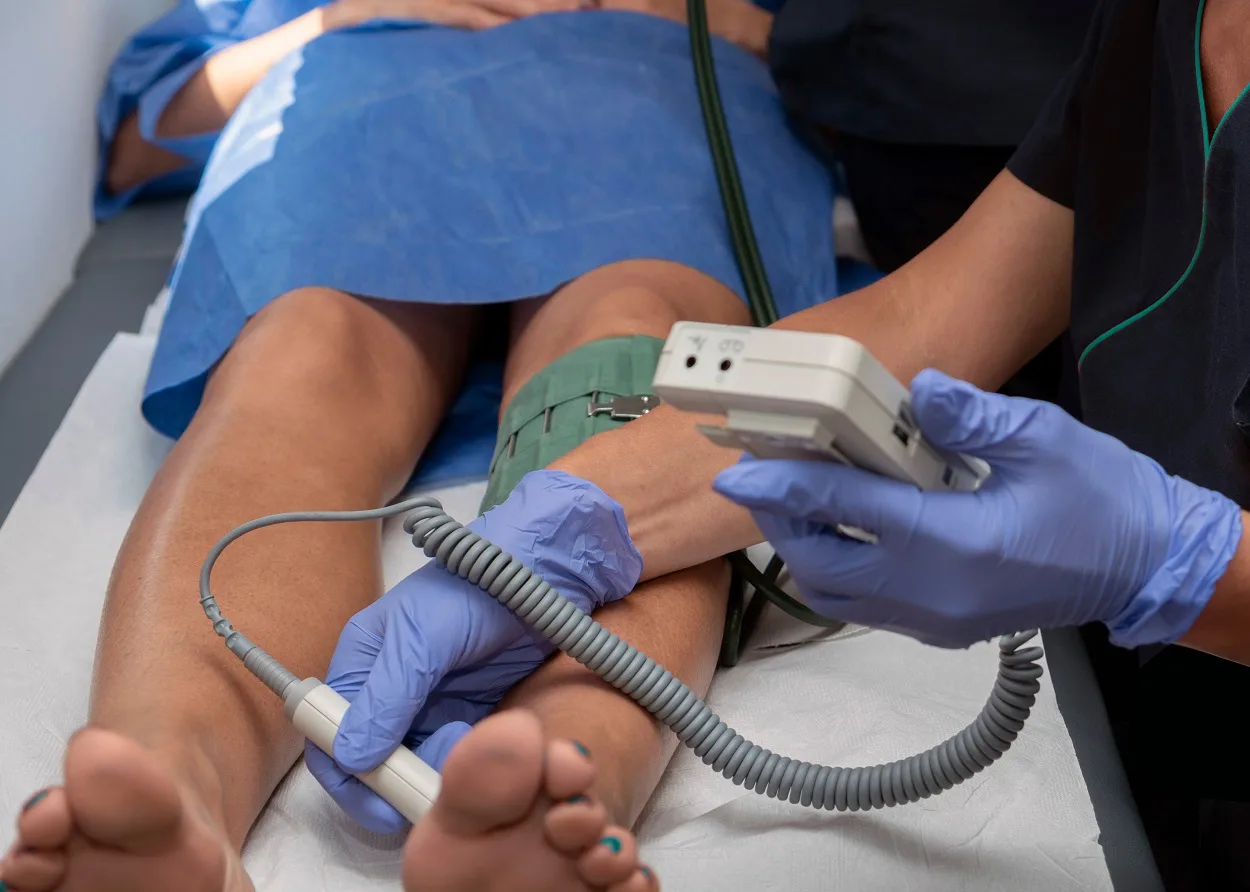
- Ankle-Brachial Index (ABI) is the gold standard screening test for PAD. This simple, non-invasive test compares blood pressure measurements in the ankle and arm. Normal ABI values range from 1.0 to 1.4, while values below 0.9 suggest arterial disease.
- Duplex Ultrasound uses sound waves to visualize blood vessels and assess flow patterns. This imaging technique can identify blockages, measure flow velocities, and evaluate both arterial and venous systems.
- Angiography provides detailed images of blood vessels using contrast dye and X-rays or other imaging modalities. This test helps identify specific locations and the severity of arterial blockages.
What Treatment Options Are Available?
Treatment approaches vary significantly between peripheral artery disease and other forms of peripheral vascular disease; this is why an accurate diagnosis is so important.
Conservative Management
Lifestyle modifications form the foundation of treatment for most vascular conditions. Regular exercise helps improve circulation and develop collateral blood flow around blockages. Even patients with limited mobility can benefit from structured activity programs.
Dietary changes are another conservative approach to managing risk factors. Heart-healthy diets low in saturated fat and high in fruits, vegetables, and whole grains help control cholesterol levels and blood pressure.
Medical and Interventional Treatments
Conservative measures sometimes prove insufficient. In these scenarios, medical and interventional approaches become necessary.
Medications play multiple roles in vascular disease management:
- Antiplatelet drugs like aspirin prevent blood clots and reduce heart attack and stroke risk.
- Statins control cholesterol while providing anti-inflammatory benefits to arterial walls.
- Blood pressure medications reduce cardiovascular strain and protect vessel integrity.
We often recommend minimally invasive procedures when medications and lifestyle changes aren’t enough to restore blood flow. These include:
- Angioplasty uses balloon catheters to compress plaque against arterial walls, restoring blood flow. Placing a stent often accompanies this procedure to keep the blood vessels open.
- Bypass surgery creates alternate blood flow routes around severely blocked arteries using grafts from other body parts or synthetic materials.
- Venous treatments differ significantly from arterial interventions. Compression therapy, sclerotherapy, and endovenous ablation address specific venous problems like chronic insufficiency and varicose veins.
Prevention and Long-Term Management
While treatments can be helpful, prevention is still the gold standard when it comes to vascular disease management. In addition, proper long-term care ensures optimal outcomes for diagnosed patients.
- Lifestyle modifications: Regular physical activity improves circulation and helps develop collateral blood flow. Even moderate exercise like walking provides significant vascular benefits. Smoking cessation represents the single most impactful change smokers can make for their vascular health.
- Chronic disease management: Effective control of diabetes, hypertension, and high cholesterol significantly reduces complications. Regular monitoring and medication compliance help maintain optimal cardiovascular health.
- Monitoring and follow-up: Patients with vascular disease need ongoing medical supervision to assess how effective their treatments are, so therapies can be adjusted accordingly. Regular ankle-brachial index testing may monitor PAD progression, while symptom tracking helps identify changes that need medical attention.

Your Trustworthy Vascular Health Partners at CardioCare
The distinction between peripheral artery disease and peripheral vascular disease extends beyond terminology; it impacts diagnosis, treatment, and outcomes. While PAD specifically affects arteries and typically causes activity-related symptoms, PVD encompasses various vascular conditions affecting different vessel types. Both conditions share common risk factors and benefit from early detection and proper management.
If you’re experiencing leg pain, swelling, or other concerning symptoms, contact us at CardioCare. Our experts are here to provide thorough professional evaluations and personalized treatment options that improve your quality of life.

LOCATIONS
Contact us for more information.